
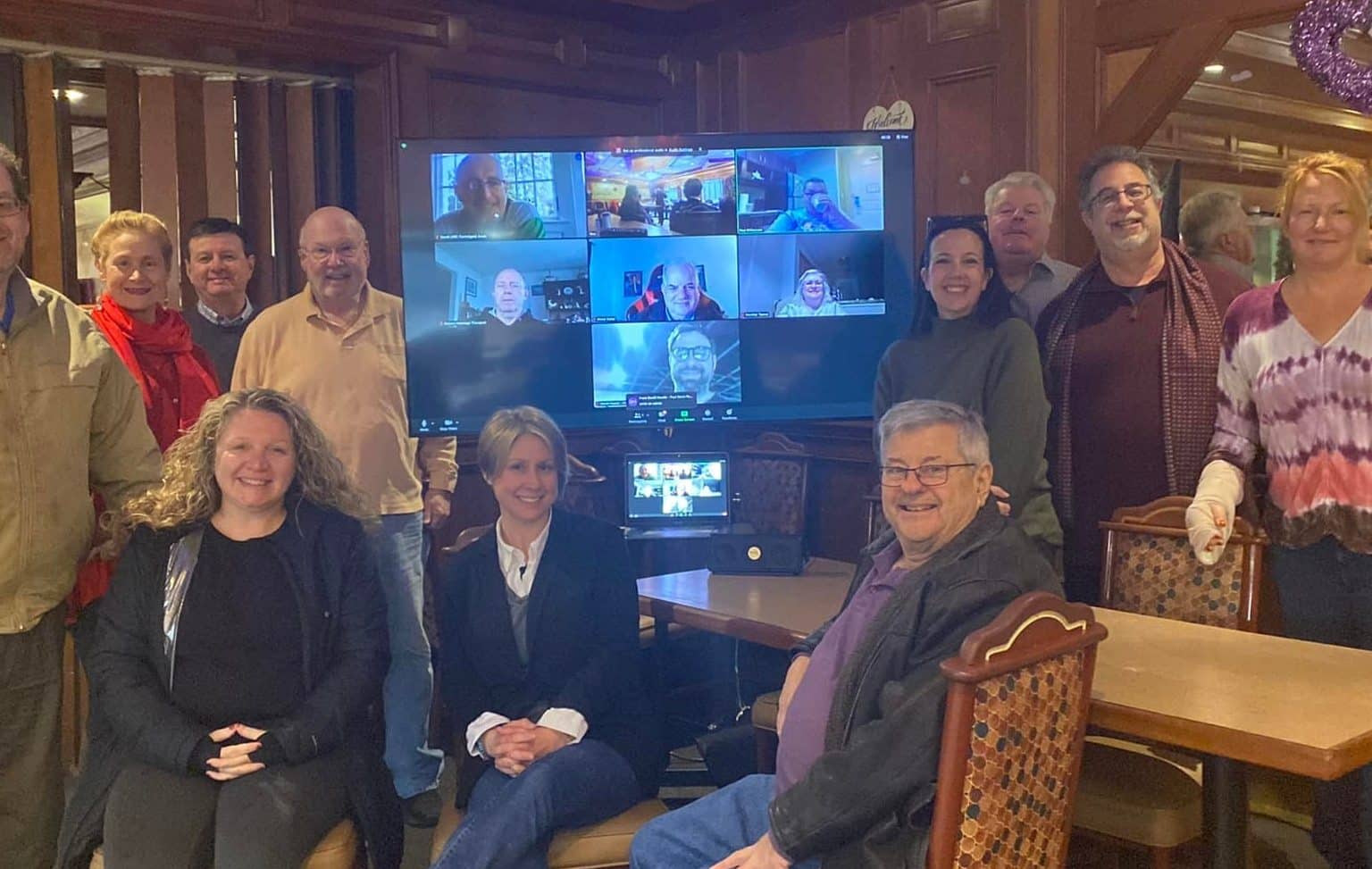
Understanding Weekly Business Networking Meetings at PBNBC
A PBNBC weekly meeting isn’t your typical networking event where you awkwardly exchange cards and forget names by the time you reach your car. It’s structured. Predictable. And that’s exactly the point.
Every week, professionals across the Bensalem area—from someone launching their first startup to the contractor who’s been working Bucks County for twenty years—show up to the same room, follow the same format, and build something that actually matters: trust. The kind that turns into referrals you can count on.
Here’s what makes this work: repetition. Showing up once is networking. Showing up every week is business development. You start to understand not just what people do, but how they think, who they serve, and when to send opportunity their way. That consistency is what separates a loose contact list from a network that actively works for you.
This isn’t about working in your business for an hour. It’s about working on it—with people who understand the value of doing the same.
Arrival, Registration, and Networking Over Breakfast
Your morning starts at the Club House Diner in Bensalem. The meeting officially kicks off later, but if you show up at 7:30, you’ll notice something: some of the most committed members are already there.
This is where the real magic happens. These early arrivals aren’t just grabbing coffee before the agenda starts—they’re having the kinds of conversations that actually move business forward. Deeper discussions about challenges they’re facing, strategic introductions, follow-ups on referrals from the week before. This is what building relationships is actually about.

The meeting officially starts at 8am. You show up, grab some coffee and a plate of eggs if you’re hungry. This part of the meeting is deliberately loose. It’s open networking over breakfast, which means you’re not on the clock yet. You can ease into conversations, reconnect with fellow members, or meet someone new without the pressure of a formal introduction.
The people who understand that this extra time matters—the ones who arrive early—tend to be the ones getting the most out of the group. Because business networking isn’t just about the structured hour. It’s about the moments before and after, when you can actually talk like human beings instead of working through an agenda.
Welcoming New Attendees and Setting the Tone
If it’s your first time, expect to be introduced. The group leader will call you out—not in a weird way, just enough so people know you’re new. Members will make a point to say hello. You won’t get lost in the crowd.
This isn’t a “sell me something in 30 seconds” kind of introduction. The focus is on getting you comfortable and helping you understand how the room works. People here get that you’re not closing deals on day one. The goal is visibility first, then credibility, then—eventually—profitability. That’s the process, and it works because nobody’s trying to skip steps.
The tone is professional but not stiff. Collaborative, not competitive. You’re here to figure out if this group is a fit for your business, and the group is doing the same with you.

The Main Meeting Agenda and How It Works
Once breakfast wraps, the structure kicks in. There’s an agenda, and it’s the same every week. That might sound boring, but it’s actually what makes this effective.
Think of it like a workout routine. The first week, you’re figuring out the movements. By week ten, you’re stronger because you’ve done the reps. The regular attendance builds muscle memory for your networking skills. You get better at pitching. Better at listening. Better at spotting opportunities for others, which is how you build the kind of strong relationships that result in ROI.
Every meeting includes time for member presentations, passing referrals, and celebrating wins. Let’s break down how each of those actually plays out.
Member Presentations, 60-Second Pitches, and Sharing Updates
Everyone gets time to talk. Usually, that means a 60-second pitch—a tight, clear explanation of what you do and what kind of referral you’re looking for that week.
These aren’t sales pitches. You’re educating the room. Your goal is to make it easy for your fellow members to recognize an opportunity when they see one. If you’re a roofer, maybe you’re asking for introductions to property managers this week. If you’re a financial advisor, maybe you’re looking for someone who just sold a business and needs help managing the payout.
Some weeks, the agenda includes longer presentations. These give you a chance to go deeper—not to sell, but to teach. You might:
- Walk through a case study that shows how you solve a specific problem
- Share industry insights that help others understand your expertise
- Offer tips that genuinely help people, even if they never hire you
This is where building relationships gets real. When people see you as an expert who gives value freely, they trust you. And trust is what turns visibility into closed business.

Referral Tracking, Success Stories, and Educational Segments
Here’s the part that matters most: passing referrals.
Each meeting includes time dedicated to handing off qualified opportunities. Not leads that go nowhere—actual business you can act on. The group tracks this because accountability drives results. If people aren’t seeing ROI, something needs to change.
You’ll also hear success stories. Someone closes a deal that started with a referral from another member, and they take a moment to say thank you. It’s not just feel-good fluff. It reinforces the system and reminds everyone why they’re here.
The process follows what PBNBC calls the VCP Process®—a framework that makes sense once you see it in action:
| Stage | Description |
|---|---|
| Visibility | Members get to know who you are and what you do through regular attendance and your 60-second pitches. |
| Credibility | You build trust by showcasing your expertise in presentations and reliably following up on referrals. |
| Profitability | As trust grows, members confidently refer you, leading to new business and a strong ROI. |

Frequently Asked Questions
What Should I Bring and How Should I Prepare for My First Meeting?
Bring business cards. Bring a pen. Bring a clear, simple explanation of what you do that doesn’t rely on jargon.
The most important prep work isn’t about what’s in your bag—it’s your mindset. Come ready to listen. Your first meeting is about understanding how other attendees do business so you can eventually help them. If you’re only focused on what you can get, you’ll miss the point.
What Is the Typical Etiquette at a PBNBC Meeting?
Show up on time. Listen when people talk. Don’t treat the room like a sales floor.
The etiquette here is simple: give more than you take. That means paying attention when someone shares what they need, making thoughtful introductions, and following through when someone refers you. Professionalism and respect go a long way, especially in a group where people see each other every week.
How Do Weekly PBNBC Meetings Help Grow My Business Network?
Consistency builds trust faster than anything else. Seeing the same people every week accelerates the process of going from stranger to trusted resource.
A strong business networking group doesn’t just expand your contact list—it creates a team of people actively looking for ways to send business your way. That’s the difference between having a network and having a network that actually works.
Do I Need to Commit to Every Single Week, or Can I Attend When It Fits My Schedule?
Regular attendance is what makes this work. You can’t build strong relationships if you only show up when it’s convenient.
That said, life happens. If you need to miss a meeting, let the group know. The commitment here isn’t about perfection—it’s about showing up consistently enough that people know they can count on you. If you’re traveling every other week or your schedule is unpredictable, this format might not be the right fit. But if you can carve out this time each week, the ROI tends to speak for itself.
